
Bonded, not wedged in
Older silver fillings sat in a cavity that had to be shaped to hold them in place, which meant removing healthy tooth structure to create the right shape. Composite works differently. The resin chemically bonds to enamel and dentin, so we only need to remove the decay itself and a small margin around it.
That difference adds up over a lifetime of dental work. Every millimeter of natural tooth you keep is a millimeter that does not need a crown later. Composite is also shaded to match the tooth it is repairing, so a filling on a front tooth or a visible premolar does not announce itself when you laugh.
When a filling is the right fix
Composite handles small to moderate damage. A tooth that has lost too much structure usually needs a crown instead, because a large filling in a weak tooth can lead to a fracture. Dr. Valter will tell you honestly which category your tooth falls into.
- A cavity found on your exam, on an x-ray, or with DIAGNOdent
- A chipped edge on a front tooth
- Notches worn into the tooth near the gumline from aggressive brushing or clenching
- A small gap or shape irregularity you would like closed
- An old filling that has cracked, leaked, or developed decay underneath it
The appointment, step by step
- Numbing. We apply a topical gel first, then give local anesthetic. Small surface repairs sometimes need no anesthetic at all.
- Removing the decay. Only the damaged tissue comes out. We work conservatively and keep what is healthy.
- Preparing the surface. The tooth is cleaned and conditioned so the bonding agent grips properly. Keeping the area dry during this step matters a great deal for how long the filling lasts.
- Layering the composite. The resin goes in as thin layers, each hardened with a curing light, which controls shrinkage and builds strength.
- Shaping and polishing. We contour the filling to match your tooth, check your bite carefully, and polish it smooth.
After your filling
You can eat as soon as the numbness wears off, since composite is fully hardened before you leave. Give it an hour or two if the anesthetic is still working, mostly to avoid biting your cheek.
Some sensitivity to cold or to biting pressure in the first days or weeks is common, especially with deeper fillings, and it usually settles on its own. Call us if it gets worse instead of better, if a specific spot hurts when you bite down, or if the tooth starts throbbing on its own. A bite that feels even slightly high is a quick adjustment, so do not put up with it.
- Brush twice daily and clean between the teeth every day, especially around the filling margins
- Cut back on sipping sweet or acidic drinks throughout the day
- Avoid chewing ice, hard candy, and pen caps
- Ask about a night guard if you grind, since clenching wears fillings down early
Common questions
How long do composite fillings last?
Composite fillings commonly last many years, but no filling lasts forever and the range is wide. Size and location matter, and so does what you do daily: grinding, frequent sugar exposure, and inconsistent flossing all shorten a filling's life. We check every filling at your regular exams and replace one only when there is a reason to.
Should I replace my old silver fillings?
Not automatically. An amalgam filling that is intact, sealed, and causing no problems is usually best left alone, since replacing it means removing more tooth structure. We recommend replacement when a filling is cracked, leaking, decayed underneath, or when the tooth has fractured around it.
Will the filling match my tooth color?
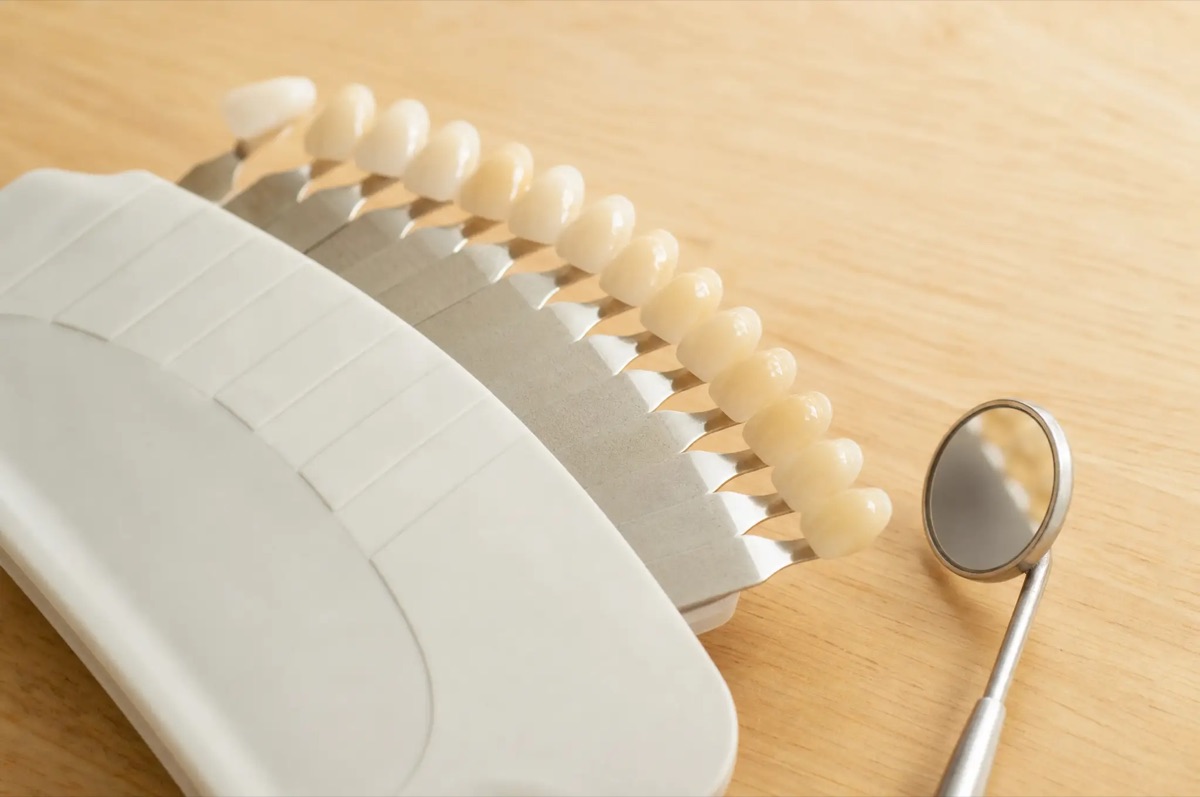
Yes. We select a shade against your natural teeth before we start. Keep in mind that composite does not lighten with whitening treatments, so if whitening is in your plans, it is usually better to whiten first and match the filling to the new shade.
Do fillings hurt?
The procedure itself should not hurt once the area is numb, and we take time getting you comfortable before we begin. If dental work makes you anxious, we offer nitrous oxide sedation. Tell us when you schedule so we can plan for it.
Can a cavity be caught before it needs a filling?
Sometimes. Very early decay that has not yet broken through the enamel surface can occasionally be arrested with fluoride and better home care. This is exactly why we use DIAGNOdent and regular exams, since finding decay early gives you options that a large cavity does not.
